Improve HVAC Airflow and Reduce Strain on Your Furnace or Air Conditioner
Good airflow is one of those things people usually do not notice until it goes wrong. When a furnace keeps running but the house still feels cool at the far bedroom, or an air conditioner seems to run forever without pulling humidity down, the instinct is often to blame the equipment itself. Sometimes the unit is aging. Often, though, the real problem is simpler and more frustrating: the system cannot move air the way it was designed to.
I have seen plenty of homes where a service call started with suspicion about a failing furnace or undersized air conditioner, only to uncover basic airflow trouble. A dirty filter, crushed flex duct in an attic, a closed-off supply register, or a return path that never had enough capacity in the first place can make a perfectly functional system work too hard. When that happens, comfort drops, energy use climbs, and the equipment takes a beating.
Improving airflow is not about chasing every possible upgrade. It is about getting the air through the system with less resistance, less noise, and more balance from room to room. Done well, it can extend equipment life, reduce nuisance shutdowns, and make the whole house feel steadier.
What airflow really does in a heating and cooling system
HVAC equipment does not heat or cool rooms directly. It conditions air and moves it through the duct system. That moving air carries the heat out of your house in summer and distributes heat through it in winter. If the blower cannot move enough air, or if the ducts restrict it too much, the system loses efficiency and starts operating outside the range it was built for.
That is why airflow is tied so closely to both comfort and durability. A furnace with restricted airflow can overheat, trip safety controls, and short cycle. An air conditioner with poor airflow can freeze its indoor coil, struggle to remove moisture, and run with higher electrical demand than necessary. In both cases, the symptoms might look like a bad machine, but the root cause often sits in the ductwork or the air distribution setup.
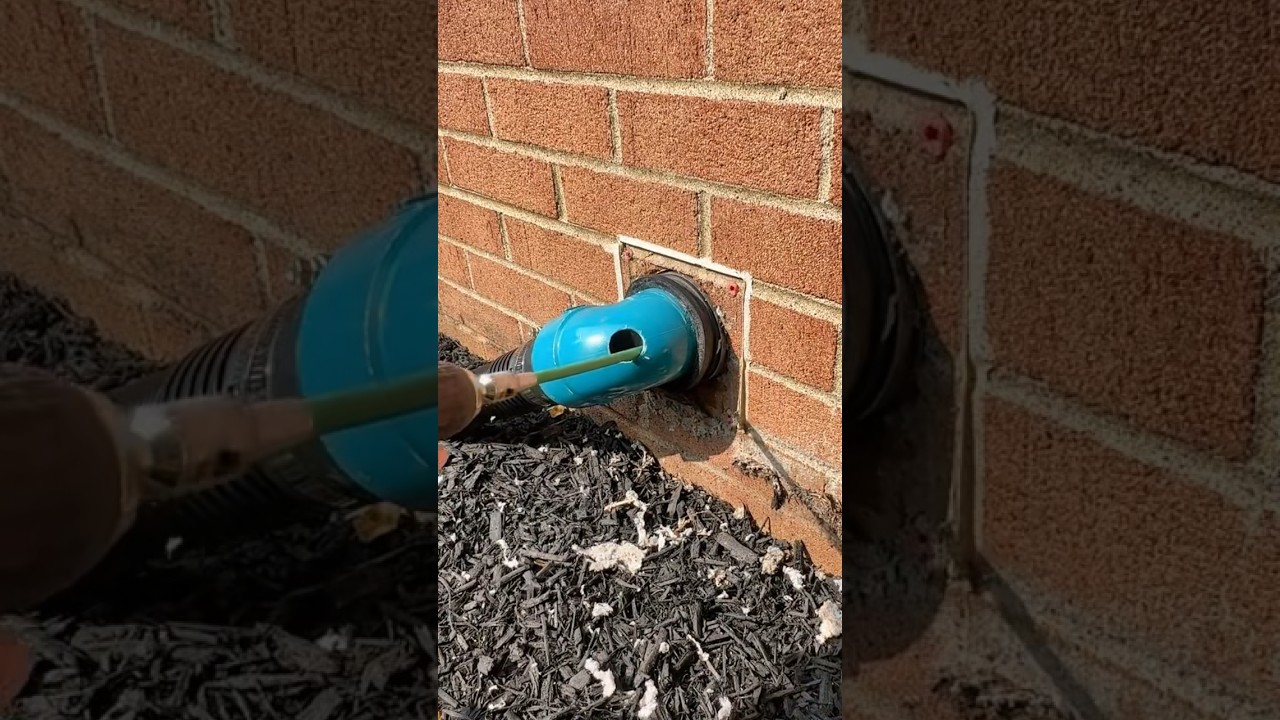
The useful way to think about airflow is this: the equipment creates pressure, the ducts resist it, and the blower has to push through that resistance. If the resistance is too high, or the supply and return sides are unbalanced, the system pays for it in static pressure, noise, uneven temperatures, and wear on motors and heat exchangers.
Signs the system is fighting itself
Some airflow problems are obvious. Others are quiet, and homeowners live with them for years without realizing how much performance they are losing. A few signs stand out in the field because they usually mean the system is struggling to breathe.
- Rooms at the end of a duct run stay too warm or too cold compared with the rest of the house.
- Supply vents whistle, rattling louvers, or weak airflow even when the system is running normally.
- The blower seems louder than it used to, especially at startup or during long cycles.
- A furnace shuts off on limit more often than expected, or an air conditioner develops frost on the indoor coil or refrigerant lines.
- The filter gets dirty very quickly, which can point to high dust load, a poor filter choice, or an airflow path that is pulling too hard through it.
A single symptom does not prove anything. A noisy vent, for example, may simply be a register that is partly closed. But when several of these show up together, it is worth looking deeper. I have walked into houses where one bedroom was always uncomfortable, the homeowner had already replaced the thermostat, and the actual issue was a return duct that pinched down to a size no one would choose if they were designing the system from scratch.
Ductwork airflow problems usually start with resistance
When people say the ducts are bad, they usually mean one of several different things. The ductwork may be undersized, damaged, disconnected, poorly routed, or simply too restrictive for the blower and equipment it serves. Ductwork airflow problems are common because duct systems are often hidden, patched over the years, and rarely tested after the original installation.
Flex duct, for instance, can work well when it is properly stretched, supported, and installed with gentle bends. It performs badly when it is compressed, kinked, or left sagging through a hot attic. That sagging alone can create enough resistance to reduce airflow noticeably. Metal duct can suffer from poor design too, especially if a run has too many elbows, abrupt transitions, or sharp turns that steal pressure.
Return ducts deserve special attention. A house can have adequate supply registers and still perform poorly if the return side is undersized. Air needs a path back to the blower that is just as clear as the path out to the rooms. If that return path is restricted, the whole system has to pull harder, and that is where HVAC static pressure becomes important.
Static pressure is the resistance the blower sees as it moves air through filters, coils, ducts, and fittings. A certain amount is normal, but too much makes the system work harder than intended. High static pressure often shows up as lower airflow, more noise, and motors running hotter or longer. It is one of the most useful measurements in diagnosing a system, because it tells you whether the issue is really mechanical, or whether the airflow path itself is the culprit.
Air balancing at home is not a luxury
Air balancing home systems sounds technical, but the idea is simple. You are trying to make the system deliver and return air in the right proportions so each room receives what it needs without starving another room. In a well-balanced house, the main living areas do not overheat while the rear bedrooms stay cold, and the blower does not have to fight a lopsided duct network just to keep pace.
A lot of homes were never truly balanced. Others were balanced once, then changed over time. A homeowner seals up a basement door, finishes an attic room, adds a high-efficiency filter, or closes off vents in rooms they do not use. Each change can alter pressure relationships in the house. Small changes add up. That is why air balancing home systems is often less about a single fix and more about restoring the system to a condition where the equipment, ductwork, and rooms work together instead of against each other.
One common misconception is that closing off unused supply registers saves energy. Sometimes the effect is negligible. Sometimes it makes the system less efficient by increasing pressure and reducing airflow across the coil or heat exchanger. If the system was designed with little margin, closing even one or two registers can make the pressure problem worse. The right move is usually to correct the duct design or airflow distribution, not to choke off vents and hope for the best.
What helps improve HVAC airflow without overcomplicating the job
A lot of homeowners want the shortest path to better performance, and that is reasonable. Some fixes are straightforward, and they are worth doing before anyone starts talking about major equipment replacement. The most effective improvements usually come from reducing resistance, restoring clear pathways, and verifying that the blower can move the air it was meant to move.
A practical starting point looks like this:
- Replace a clogged filter with the right size and the right level of resistance for the system.
- Open and inspect return paths, including jumper ducts, transfer grilles, and doors that may block air movement.
- Check visible duct runs for kinks, crushed sections, loose connections, or poorly sealed joints.
- Confirm that supply registers are open and unobstructed by furniture, rugs, or drapes.
- Have static pressure tested if comfort problems continue after the basics are addressed.
That short list covers a lot of ground, but the order matters. I usually start with the obvious restrictions because they are cheap to correct and often reveal the bigger picture. A filter that looks clean enough can still be too restrictive if it is the wrong type for the blower and duct setup. A return grille that is technically open can still be inadequate Click for source if the home relies on one small return for several rooms. Even a supply vent shoved behind a sofa can make a room feel starved for air.
Sealing duct leaks is another high-value improvement, especially when the leaks are in unconditioned spaces like attics, crawlspaces, or garages. Leaky ducts waste conditioned air, but they also disrupt balance. If a supply leak dumps cool air into the attic, the room that was supposed to get that air does not receive enough of it. If a return leak pulls hot attic air into the system, the equipment has to handle an unnecessary load. Either way, the system runs harder than it should.
When airflow improvement should include the equipment, not just the ducts
There are times when the ductwork is not the main villain. If the blower is weak, dirty, improperly set up, or incompatible with the duct system, airflow will stay poor no matter how much the ducts are cleaned up. Variable-speed blowers can be helpful here, but they are not a magic cure. They can adapt better to changing conditions, yet they still have limits. If the duct system is too restrictive, the blower will simply hit those limits more gracefully than an older motor would.
Furnace setup matters too. A system can be installed with an airflow target in mind, but if the blower speed is left at the wrong setting, or if the heating and cooling modes are not configured correctly, performance suffers. I have seen cases where a furnace was effectively “air-starved” because the fan speed was too low for the duct resistance, even though the equipment itself was fine. Once adjusted properly, the house felt different within the first cycle.
Air conditioners have their own quirks. A coil with poor airflow will not absorb heat efficiently, which can make the house feel cool but clammy. In humid climates, this is especially noticeable. People often assume they need a larger unit when the real issue is not capacity but air movement across the coil. If the system already has the right tonnage, solving the airflow issue may do more for comfort than replacing equipment.
The cost of ignoring static pressure
High HVAC static pressure is not just a lab measurement that technicians talk about to sound precise. It is often the hidden reason a system sounds strained. When the blower has to push against more resistance than it should, several things happen at once. Airflow drops, energy use increases, motor wear rises, and the system becomes less forgiving of other problems.
The effect can be subtle at first. A homeowner may notice that the house takes longer to recover after the thermostat changes, or that one room always lags behind the others. Over time, the symptoms grow. Heat exchangers can overheat in a furnace. Evaporator coils can ice up in an air conditioner. Filters collapse. Duct seams loosen. Motors that run hot tend to fail earlier than they should.
One detail that surprises people is how often high static pressure creates noise that gets mistaken for “normal.” Whistling at the return grille, a hard rush of air at a supply register, or a fan that seems to surge are all signs that the blower is working against a restrictive path. Silence is not the goal, but the system should not sound like it is straining every time it starts.
The role of filter choice, room layout, and everyday habits
Not every airflow issue lives in the mechanical room or the attic. House layout and daily habits matter more than most people think. A high-efficiency filter can be excellent for indoor air quality, but if it is too restrictive for the system, it may create a bigger airflow penalty than the home can comfortably absorb. This is where judgment matters. The best filter is not always the one with the highest advertised capture rate. It is the one that fits the system, supports the air quality goal, and does not push static pressure too high.
Room layout matters too. A closed bedroom door can trap air if that room relies on a single supply and no return path. That is why a house may feel fine with all doors open but uneven once the family settles in for the night. In some homes, the fix is as simple as improving return pathways. In others, it takes a more careful air balancing approach, especially if a remodeled space was added after the original HVAC design.
Day-to-day habits can also create problems that look like equipment failure. Furniture pushed against a return grille, a stack of boxes in front of a supply vent, or thick curtains covering a register can all alter airflow enough to matter. These are not dramatic changes, but HVAC systems are sensitive to resistance. Small obstructions can have outsized effects when several are present at once.
A measured approach works better than guesswork
The most useful airflow improvements are the ones that match the actual problem. That sounds obvious, but a lot of money gets wasted when people replace equipment before verifying the airflow path. Better practice is to inspect the ductwork, test the static pressure, confirm supply and return conditions, and then decide whether the fix is in the ducts, the blower setup, or the equipment itself.
Professional airflow testing can make the process much clearer. Even without a full system redesign, measuring pressure across the filter, coil, and duct network can show where the resistance lives. From there, a technician can tell whether a smaller correction will help or whether the system is fundamentally mismatched. Sometimes a few strategic changes solve the comfort issue. Other times the numbers show that the home needs more significant duct work to get where it should have been all along.
That kind of judgment saves money because it prevents the common cycle of replacing parts without addressing the real bottleneck. New thermostats, stronger fans, and higher-rated filters can all have a place, but they cannot compensate forever for a duct system that is choking airflow or a house that has never been properly balanced.
A well-performing system usually feels boring in the best sense. Rooms stay closer to the same temperature, the fan sound stays steady instead of stressed, and the furnace or air conditioner runs the way it was meant to run. That is what good airflow buys you. It does not just make the home more comfortable. It gives the equipment a fair chance to do its job without fighting against the house itself.
Phone:
(863) 247-0271
Website:
icecoolinghvac.com
Indoor Climate Experts
296 Lake Smart Circle,
Winter Haven,
FL
33881